Is Interior Architectural Film Durable and Waterproof?
Reviewed by Centerstone installation specialists · Updated April 13, 2024
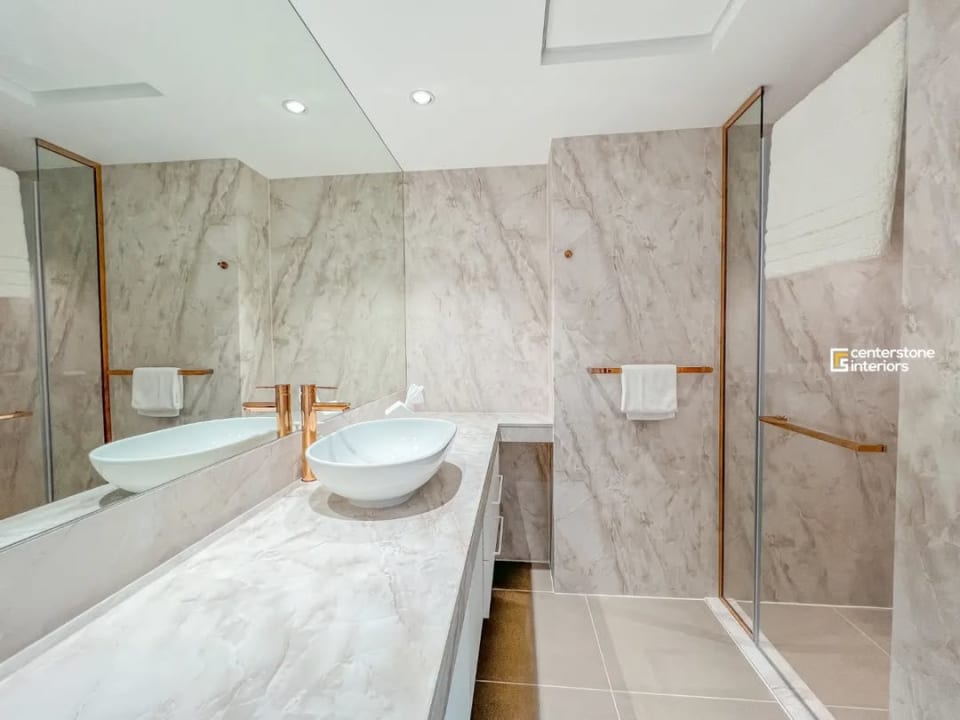
One of the most common questions homeowners ask before committing to a wrapping project is simply: "Just how tough is this stuff?" The short answer is very. Premium architectural films are engineered precisely for interior environments that demand high performance, like kitchens and bathrooms.
Built for Everyday Life: Highly Durable
Architectural film is not like the thin contact paper or basic sticker sheets you might buy at a craft store. Professional-grade vinyl wraps are composed of multiple integrated layers designed to resist impacts, scratches, and abrasions. They can effortlessly withstand the daily wear and tear of a busy family kitchen or a high-traffic commercial space.
Is Interior Wrap Waterproof?
Yes. High-quality architectural films are 100% waterproof. The surface of the vinyl is non-porous, meaning water, spills, and condensation cannot penetrate it.
This makes wrapping an excellent choice for bathroom vanities, laundry room cabinets, and kitchen areas around the sink. In fact, wrapping an older MDF board cabinet can help protect it from water damage and reduce the chance of future swelling. Just remember, while the film itself is waterproof, long-term moisture resistance also relies on professional installation to ensure all edges and seams are sealed.
Heat and Stain Resistance
Beyond being waterproof, these films are specifically tested for heat and stain resistance. They are safe to use around stovetops and ovens (though direct, extreme heat or open flames should obviously be avoided). Because the surface is non-porous, common kitchen stains from coffee, wine, and spices won't seep in and permanently discolor the material like they might on natural stone or cheap laminate; they can simply be wiped away with a cloth.
Where Durability Comes From
Durability is a combination of material quality, surface preparation, and edge finishing. The film surface handles day-to-day wiping, moisture, and contact, but the adhesive bond is only as strong as the surface underneath. Before a professional application, cabinets and panels should be cleaned of oil, soap residue, dust, and silicone. Small chips can be filled and sanded so they do not telegraph through the new finish.
Edges deserve special attention. Kitchen and bathroom surfaces fail first where water, steam, or fingers repeatedly reach an edge. Professional installers use heat and primers where needed to help the film wrap around corners and stay sealed. That detail is what separates a long-lasting interior film installation from a quick decorative sticker job.
What Waterproof Does Not Mean
Waterproof film does not mean every damaged substrate can be saved. If MDF is already swollen, soft, or crumbling, wrapping over it will not restore the board's structural strength. Those sections should be repaired or replaced first. Waterproof also does not mean the surface should be exposed to standing water indefinitely; wipe spills and condensation promptly, especially at sink bases and vanity edges.
Best Uses for Moisture-Resistant Film
- Bathroom vanity fronts and side panels where you want a new finish without plumbing work.
- Kitchen cabinet doors, drawer faces, islands, and breakfast bars.
- Laundry room storage and utility cabinets.
- Commercial counters, reception desks, and wall panels that need easy cleaning.
- Wardrobe and closet doors in rooms where humidity has aged older finishes.
The practical answer is yes: interior architectural film is durable and waterproof enough for many kitchen, bathroom, furniture, wardrobe, and commercial applications. The honest caveat is that the finished result depends on correct surface assessment and installation, not just the roll of film.
Durability Depends on the Whole Installation System
It helps to think of architectural film as more than a decorative skin. A durable result comes from the film, adhesive, prepared substrate, edge treatment, and the way the surface is used after installation. A smooth cabinet door in a dry area has a very different risk profile from a vanity door beside a sink or a kitchen drawer front touched many times a day.
For kitchens and bathrooms, the most important areas are usually not the flat centers of doors. They are the corners, seams, handle zones, sink-side edges, and any cutouts near hardware. Those are the places where water, steam, oil, and repeated touch can test the bond first.
Waterproof Film vs. Water-Damaged Substrate
| Condition | What It Means | Best Next Step |
|---|---|---|
| Stable, smooth cabinet | Good candidate for film after cleaning and prep. | Proceed with finish selection and edge planning. |
| Minor chips or scratches | Usually manageable if filled and sanded first. | Repair before wrapping so defects do not show through. |
| Swollen or soft MDF | The board has structural moisture damage. | Replace or repair the panel before applying film. |
How to Keep Wet-Area Wraps Performing
- Wipe standing water instead of leaving it on sink-side edges.
- Use mild cleaners and soft cloths rather than abrasive pads.
- Keep silicone, oil, and polish away from areas that may need future adhesion.
- Report lifting early instead of pulling the film by hand.
- Use trivets and cutting boards on horizontal kitchen surfaces.
The film surface can handle normal indoor splashes and cleaning, but good habits protect the vulnerable transition points. That is why professional preparation and routine care matter just as much as the film specification.
Where Durability Matters Most
In everyday interiors, durability is tested by repeated small actions rather than one dramatic event. Cabinet handles are touched with wet or oily hands. Vanity doors are opened after splashes. Wardrobe corners are brushed by bags, hangers, and shoes. Office counters may be cleaned several times a day. A durable finish needs to tolerate those normal patterns while staying easy to clean.
The most important choice is matching the finish to the use. A textured wood or matte solid can hide fingerprints better than a very glossy surface. A light finish can be more forgiving with dust than a deep black finish. A commercial counter may need a more conservative recommendation than a decorative wall panel. When the installer understands the use case, the film selection and edge strategy can be chosen around the real wear points.
What Waterproof Should and Should Not Mean
"Waterproof" can be misunderstood. The film face is suitable for normal indoor splashes and wipe-down cleaning, but that does not mean a damaged cabinet can be sealed forever by covering it. If water has already swollen MDF or loosened laminate, the substrate can continue to fail under the new finish. Film should be treated as a durable surface finish, not a structural waterproofing membrane.
This distinction matters in bathrooms and kitchens. A sink-side vanity door can be wrapped if it is stable and dry, but standing water should still be wiped away. A cabinet with soft, swollen lower edges should be repaired or replaced before installation. A professional survey should separate cosmetic wear from moisture damage so the final recommendation is realistic.
Cleaning Products to Avoid
- Abrasive powders and rough scouring pads that can dull or scratch the finish.
- Strong solvents unless the installer confirms they are safe for the specific film.
- Bleach-heavy cleaning routines around exposed edges and repaired areas.
- Silicone polish or wax on surfaces that may need future repair or rewrapping.
- Steam cleaners directed at edges, seams, or hardware cutouts.
Mild soap, water, and a soft cloth are usually enough for routine care. For commercial spaces, it is worth giving cleaners a written care note so the finish is not damaged by a product chosen for a different material.
How to Judge a Durability Claim
A durability claim is only useful when it is tied to the exact application. Ask where the film will be installed, how the surface will be prepared, and what the most vulnerable edges are. A broad statement such as "waterproof" is less helpful than a practical explanation of how sink-side edges, vanity corners, hob-adjacent panels, and high-touch handles will be handled during installation.
Good advice should also include what not to wrap. If a panel is soft, swollen, peeling, or contaminated with silicone, the responsible recommendation may be repair first. That does not make architectural film weak; it means the finish is being matched to a stable base. When the substrate is sound and the care routine is sensible, interior film can be a durable option for kitchens, bathrooms, wardrobes, furniture, office panels, and hospitality interiors.
- Ask for the finish recommendation by room, not just by color.
- Check whether high-touch and wet edges need primer or extra preparation.
- Confirm how repaired dents, screw holes, or chips will be leveled before wrapping.
- Keep a simple care guide for anyone cleaning the space after installation.
If you are comparing several finish options, ask each provider to explain the same details: preparation, edge treatment, cleaning limits, and what happens if a wet-area panel is already damaged. Clear answers make durability easier to judge than a headline claim alone.
Upgrade your surfaces for durability
Protect and restyle your cabinets, vanities, and panels with premium architectural film installed for your surface conditions.